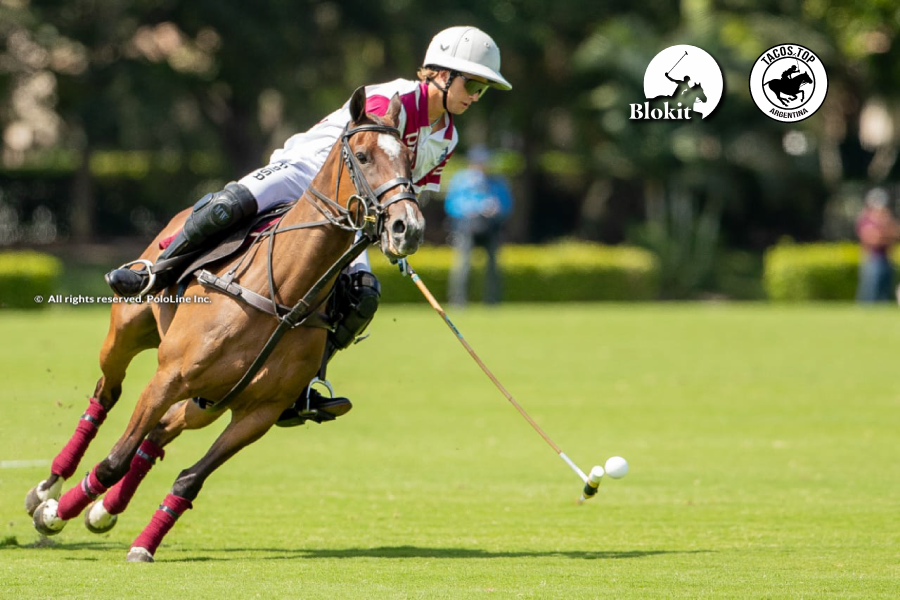
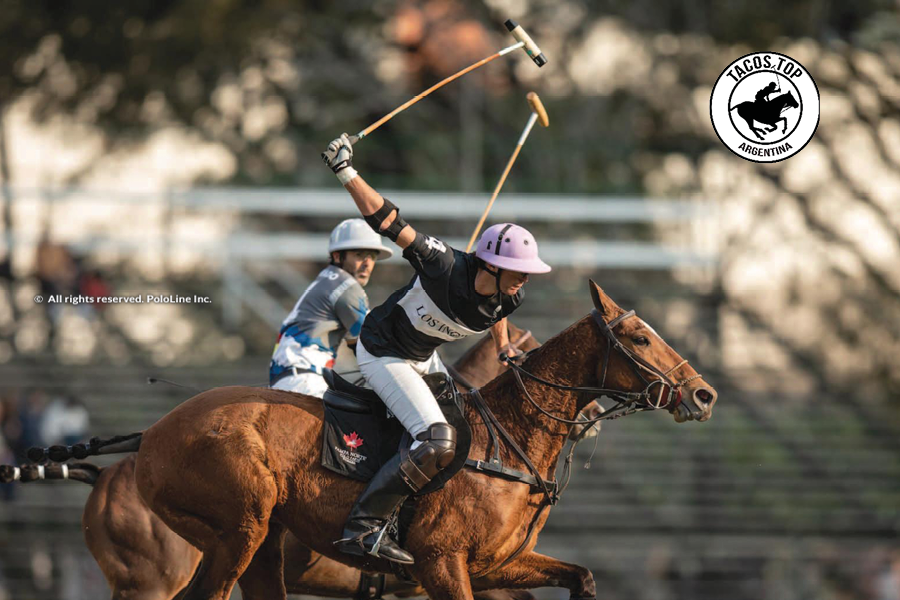
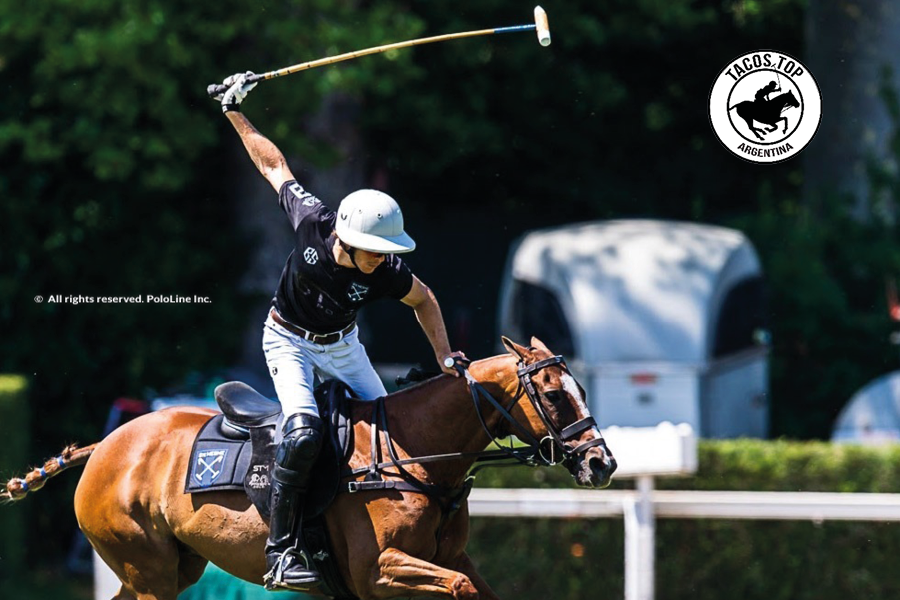
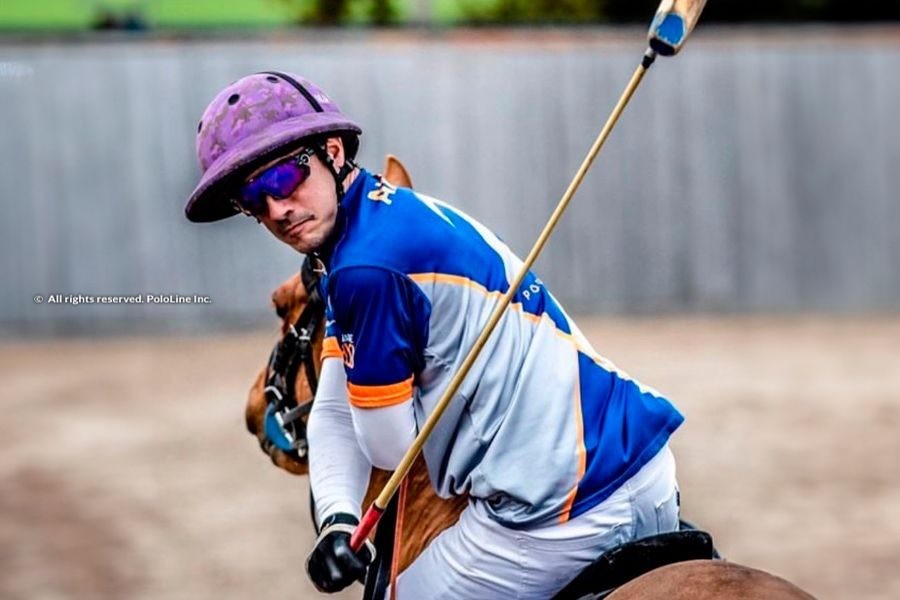
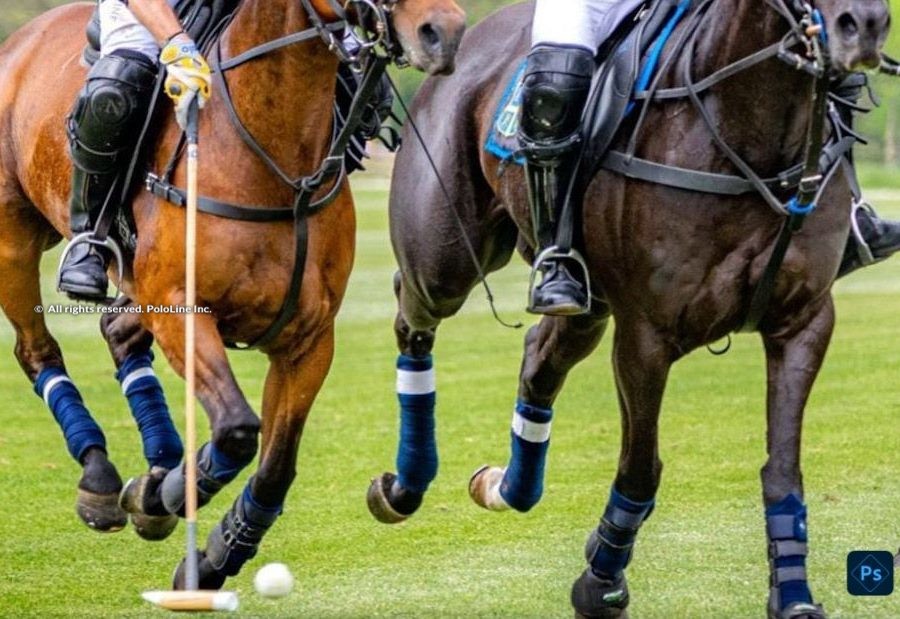
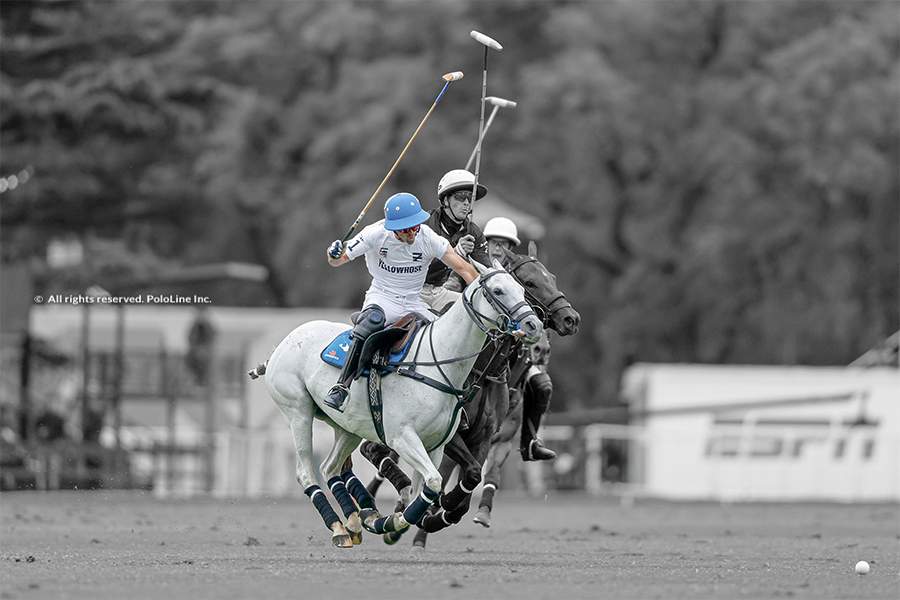
By Prof Eduardo Amaya, Sponsored by Top Tacos Argentina They are two different roles that polo often confuses – and pays a high price for it. In the world of polo, there is a structural confusion that slows the growth of the sport, limits players, and diminishes team performance. It is often believed that
In most sports, technique is the starting point. In tennis, golf, skiing… it is taught, analyzed, and refined. In polo, however, most players learn by imitation. And while imitation has its place, it often leaves one key question unanswered: why is it done this way? Understanding technique improves not only the beginner but also
By Prof. Eduardo Amaya The grip or hold on the mallet is not just an instinctive gesture; it is a precision control system that directly influences the quality of the swing, the sensitivity of the hit, and the stability of the wrist. It is the communication between the player and the mallet. Once the strap
By Prof. Eduardo Amaya A perceptive and biomechanical alliance is formed between the player and the horse. Polo is a fast-paced sport where decisions must be made within seconds. From this arises a very unique form of communication — what we call fine handling. Not many players possess this quality. It is not merely about
By Prof. Eduardo Amaya: In the heat of the game—where time seems compressed between sprints, turns, checks, and mallet strikes—there is a single point of anchorage that unites the player with the horse: the stirrups. Small, discreet, nearly invisible on the field at a glance—yet essential. Within them lies part of the balance, connection, and
DYNAMIC MOVEMENTS IN THE POLO PONY: THE POWER BEHIND THE GAME By Eduardo Amaya Introduction In the intensity of the game—where speed and precision converge—the polo pony becomes a top-tier athlete whose energy is just as decisive as the skill of the rider. This energy, initially perceived as subtle pressure or vibration, is transformed into